Selling a tenanted property: your options and the pitfalls
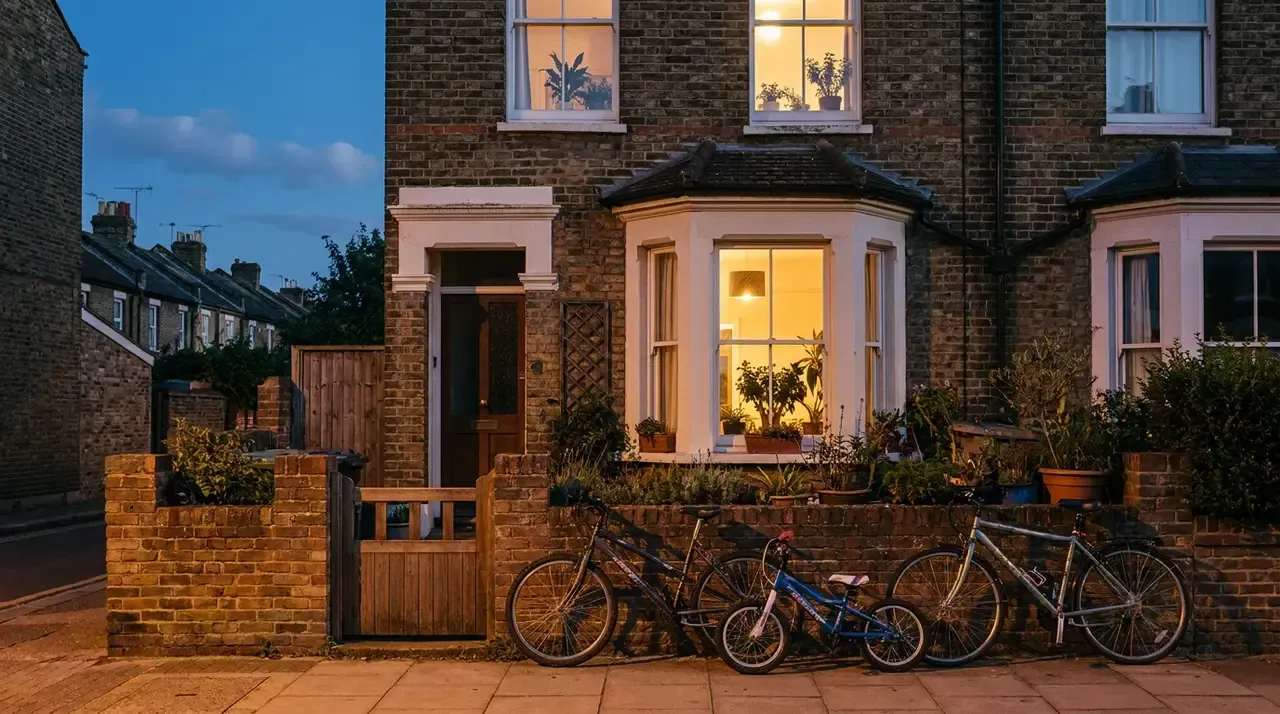
Selling a tenanted property: your options and the pitfalls
Yes, you can sell a property with tenants in it. You do not have to wait for a tenancy to end, and you do not have to evict anyone. But the route you pick changes the price you get, how long it takes, and what your tenants go through, so it is worth understanding all three before you call anyone.
Option 1: end the tenancy, sell empty
The default advice, because vacant possession opens the property to every buyer, including the owner-occupiers who usually pay the most.
The costs are time and rent. You serve notice and wait it out [VERIFY notice position under the Renters' Rights Act at publish], then market an empty property with no rent coming in: fees, mortgage and council tax all still running. From deciding to sell to money in the bank, this route can easily run past six months, and longer if a sale falls through along the way.
Pitfalls. A tenant who will not leave turns your timeline into a possession case. A property that sat empty starts to look tired in photographs. And every month empty is a month of costs with no income against them.
Choose this when the property will attract strong owner-occupier demand and you are not in a hurry.
Option 2: sell on the open market with tenants in situ
You can list a tenanted property and sell it as an investment, tenancy and all. The rent keeps coming in while you market it, and nobody has to move.
The catch is the buyer pool. You are selling only to investors, most private buyers are out, and many mortgage lenders are cautious about tenanted purchases. Fewer buyers means longer on the market and often a lower price; a sitting tenant usually takes something off the vacant-possession value, and agents will tell you the same before they list it. Viewings need the tenant's cooperation, which is its own diplomacy.
Pitfalls. Deals collapse when a buyer's lender balks at the tenancy. Incomplete paperwork (deposit protection, gas certificates, the tenancy agreement itself) resurfaces at conveyancing and stalls everything.
Choose this when the yield is attractive enough to draw investors and you can wait for one.
Option 3: sell directly to a company that keeps tenants in place
Companies like ours buy tenanted property directly, with the tenancy staying in place through completion. No listing, no viewings, no chain, and no notice served on anyone: the tenancy normally continues and the tenants pay a new landlord, with the handover done through the solicitors.
The trade-off is price. A direct sale pays below open-market value; that discount buys speed, certainty and skipping the whole vacancy problem. It is the same logic as guaranteed rent: you give up some upside to get rid of the risk. If the discount is not worth those things to you, do not take it.
Pitfalls. The sector has cowboys. Watch for offers that drop sharply just before exchange, fees that appear late, and pressure to sign quickly. A serious buyer will put the offer in writing, hold it, and be comfortable with you comparing it against an agent's valuation. Take the time to compare; any buyer who discourages that is telling you something.
Choose this when speed or certainty matter more than the last slice of value, or when the tenancy itself is what makes the other routes hard.
What it means for your tenants
Worth saying plainly, because the news is full of landlord sell-offs putting renters out of their homes. Route 1 ends a tenancy. Routes 2 and 3 do not: the tenancy normally continues with the new owner as landlord, and the deposit and the formal notices to the tenants are handled through conveyancing in line with the deposit protection scheme's rules. If keeping your tenants housed matters to you, you have two routes that allow it.
The sensible way to decide
Get real numbers for at least two routes: an agent's opinion of the vacant and tenanted values, and a written direct offer. They cost nothing. Then weigh the gaps against your timescale and your appetite for a possession process. Still torn between selling at all and keeping it? Start one step back with Should you sell or keep your buy-to-let?
We buy tenanted and vacant rentals across England and Wales [VERIFY area], and we will tell you if we think the open market would pay you meaningfully more. Get an offer, or book a free consultation if you want the options talked through first.